The Book of Clarence
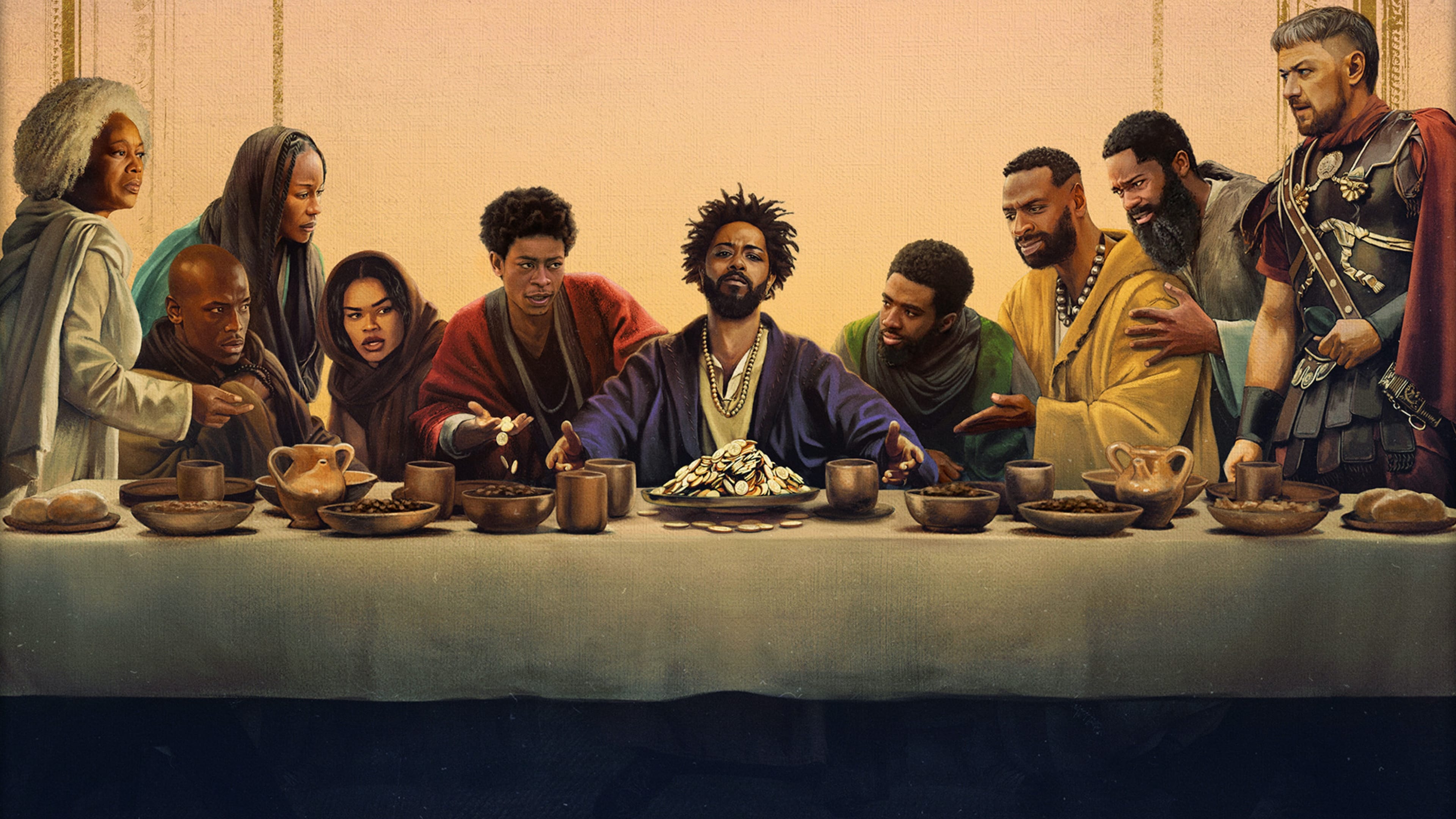
Forget Bunnies and Baskets: Why "The Book of Clarence" Might Be Your New Easter Favorite
Easter movies tend to be a fluffy bunch. Pastel palettes, adorable bunnies, and heartwarming messages about renewal. But what if you crave something a little...different this year? Enter "The Book of Clarence," a bold retelling of the biblical story that injects humor, satire, and a healthy dose of humanity into the Easter narrative.
Here's why "The Book of Clarence" could become your new Easter tradition:
- A Fresh Take on a Familiar Story: We all know the basic beats of the Jesus story. "The Book of Clarence" throws a curveball by focusing on Clarence, a down-on-his-luck fellow who sees Jesus' rise as a golden opportunity. The film explores themes of faith, redemption, and the complexities of human nature through this unlikely protagonist.
- Humor Meets Heart: The film masterfully blends comedic moments with genuine pathos. Clarence's journey is both hilarious and surprisingly touching. You'll find yourself laughing one minute, then reflecting on the deeper themes the next.
- A Diverse Cast: "The Book of Clarence" breaks away from the traditional portrayals of biblical figures. The diverse cast adds a fresh perspective to the story, making it more relatable to a wider audience.
- More Than Just Religion: Even if you're not religious, "The Book of Clarence" offers a captivating story. It's a film about second chances, questioning authority, and the power of belief (or non-belief) to shape our lives.
"The Book of Clarence" might not be your typical Easter movie, but that's precisely what makes it so interesting. It's a film that will spark conversations, challenge perspectives, and leave you with a newfound appreciation for the complexities of the Easter story.
So this year, ditch the sugar coma-inducing chocolate bunnies and popcorn flicks. Instead, gather your loved ones, and dive into the world of "The Book of Clarence." You might just discover a new Easter favorite.
Bonus points: After watching the film, discuss these questions:
- Can someone be a good person even if their motives aren't pure?
- What does it truly mean to have faith?
- How does the film portray redemption?
